Last Updated on February 25, 2026
As California faces a housing crisis, Accessory Dwelling Units (ADUs) have emerged as a key solution for homeowners seeking extra space without the need to move.
Two-story ADUs are becoming an increasingly popular choice, offering additional living space and the potential for rental income. This guide covers the essential aspects of building a two-story ADU in California, from regulations to costs, helping you understand the feasibility of such a project.
Why Two-Story ADUs Are Gaining Popularity
- Maximized Space: Two-story designs allow homeowners to preserve yard space while adding more square footage.
- Income Potential: Renting out a second-floor unit can provide steady income.
- Family Flexibility: Offers more independence for family members, such as aging parents or adult children.
Statistics on ADU Growth:
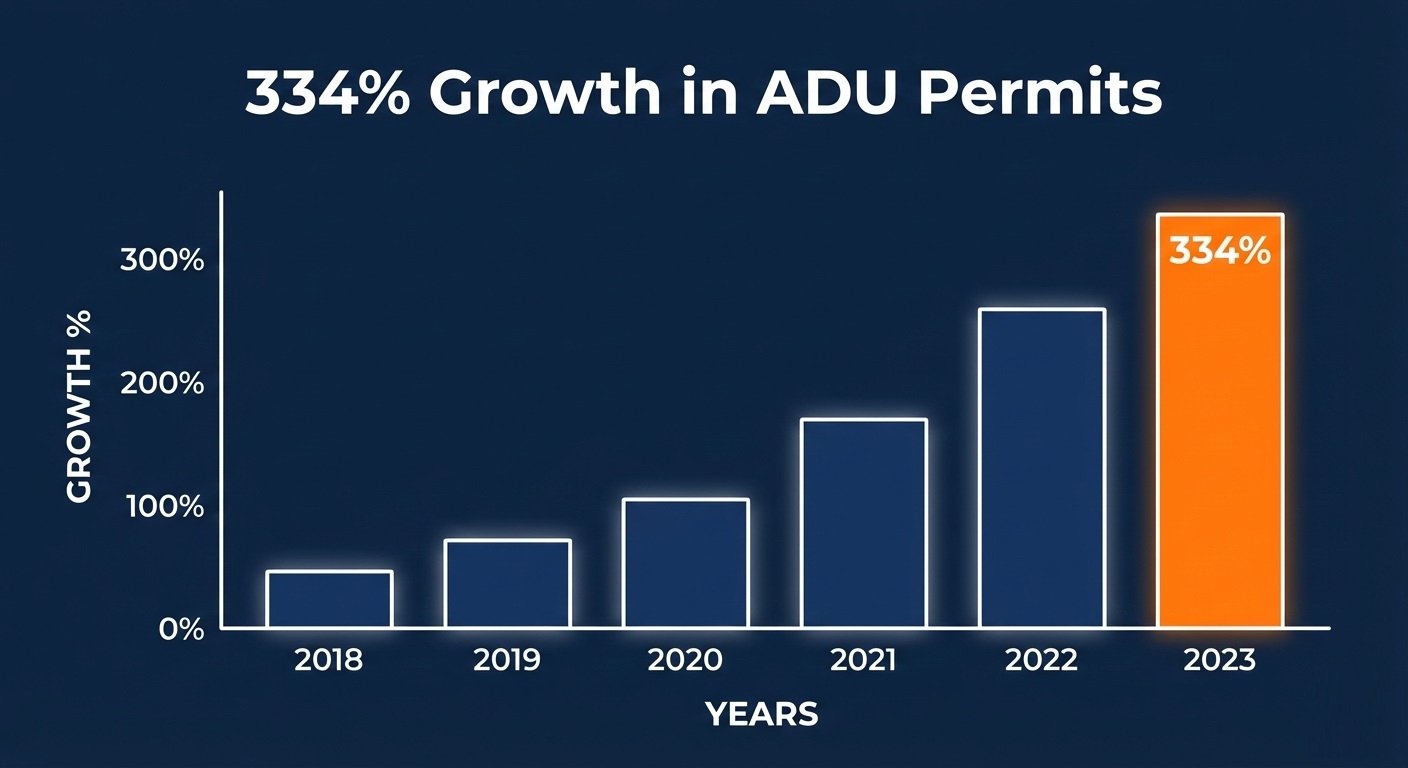
ADU permits have seen a massive surge as homeowners seek housing solutions.
-
ADU permits in California have surged by 334% between 2016 and 2022, with over 83,000 ADUs approved across the state. [source]
-
ADUs now account for nearly 19% of all new housing units produced in California. This shift highlights their growing importance as part of the state’s housing solution. [source]
Contents
- What is a Two-Story ADU? An Overview of Key Features and Benefits
- Can You Build a Two-Story ADU in California? Legal Feasibility & Regulations
- Height Restrictions for Two-Story ADUs: Understanding Local vs. State Guidelines
- Setback Requirements for Two-Story ADUs in California: What You Need to Know
- Permitting Process for Two-Story ADUs in California
- How Much Does it Cost to Build a Two-Story ADU in California?
- Two-Story ADU Floor Plans: Design Ideas and Layout Options
- Key Considerations for Building a Two-Story ADU Over a Garage
- How Long Does it Take to Build a Two-Story ADU in California?
- Financing Options for Building a Two-Story ADU in California
- Conclusion: Building a Two-Story ADU in California
- Build a Two-Story ADU FAQs
What is a Two-Story ADU? An Overview of Key Features and Benefits
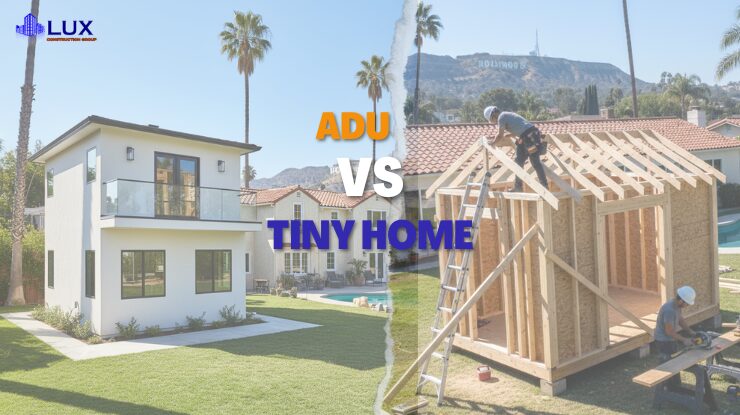
A two-story ADU is a self-contained unit with its own entrance, designed to sit on residential properties. By utilizing vertical space, these units provide more room without expanding the footprint of the main house.
Key Benefits:
- Maximized Property Use: Adds more space without occupying additional land.
- Rental Income: Great for homeowners looking to generate income.
- Family Accommodation: Ideal for multi-generational families needing privacy.
To explore more on why ADUs are a great option, check out our 5 Reasons to Consider an ADU.
Can You Build a Two-Story ADU in California? Legal Feasibility & Regulations
In California, building a two-story ADU is allowed, but it requires adherence to both state and local regulations.
Regulatory Requirements:
- State Laws: SB 897 permits two-story ADUs, with height restrictions of 16 feet for detached units (18 feet near transit).
- Local Zoning Codes: Local cities may impose additional height and setback restrictions. For example, Los Angeles has stricter rules.
- Permits and Inspections: Ensure all construction plans are submitted for approval, followed by inspections during construction.
For a detailed breakdown of California's New ADU Law, click here.
Height Restrictions for Two-Story ADUs: Understanding Local vs. State Guidelines
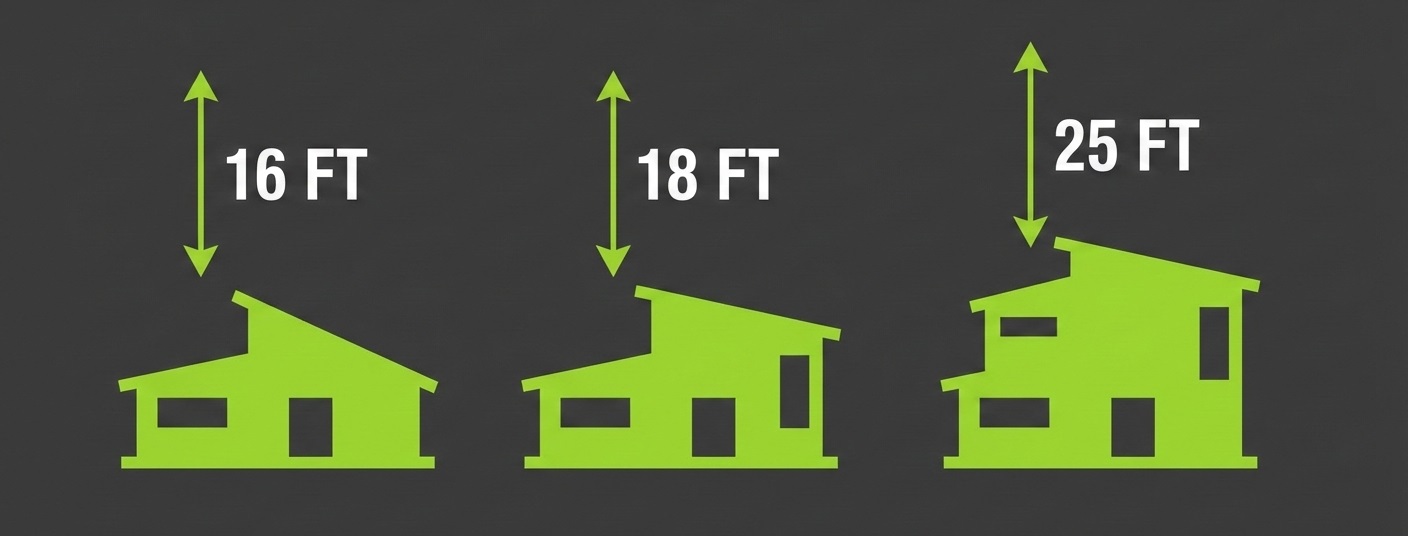
Understanding height limits is the first step in planning your two-story build.
State law sets guidelines for ADU height, but local zoning rules may impose stricter restrictions based on location.
State Guidelines:
- Detached ADUs: Can be up to 16 feet tall or 18 feet near transit corridors.
- Attached ADUs: Up to 25 feet tall or the height of the main dwelling.
Local Zoning Codes:
- Zoning codes can dictate setbacks (distance from property lines), parking, and additional height requirements.
Los Angeles ADU Permit Surge:
- In Los Angeles, the number of ADU permits skyrocketed from 80 permits in 2016 to over 7,000 in 2022—an 8,850% increase [source]
Learn More about How Big Your ADU Can Be in LA here.
Setback Requirements for Two-Story ADUs in California: What You Need to Know
Setbacks are a crucial factor in determining where your two-story ADU can be built on your property. These regulations help ensure safety, privacy, and proper land use. In California, setback requirements are defined by both state and local zoning codes, and can vary significantly based on location.
Key Setback Requirements:
- State Guidelines: Minimum 4-foot setbacks from side and rear property lines.
- Local Variations: Some cities, like Los Angeles, may reduce setback requirements for ADUs.
To learn more about potential mistakes to avoid during construction, read our Mistakes to Avoid When Building a 2-Story ADU.
Permitting Process for Two-Story ADUs in California
Building a two-story ADU requires obtaining the proper permits to ensure compliance with building codes.
Key Steps:
- Submit Plans: Include detailed construction plans and site layouts.
- Pay Fees: Fees vary based on the project scope and location.
- Get Approvals: Local authorities may require plan adjustments before approval.
- Inspections: Ongoing inspections ensure compliance with safety standards.
For further guidance on permitting, check our Checklist for Building an ADU in Los Angeles.
How Much Does it Cost to Build a Two-Story ADU in California?
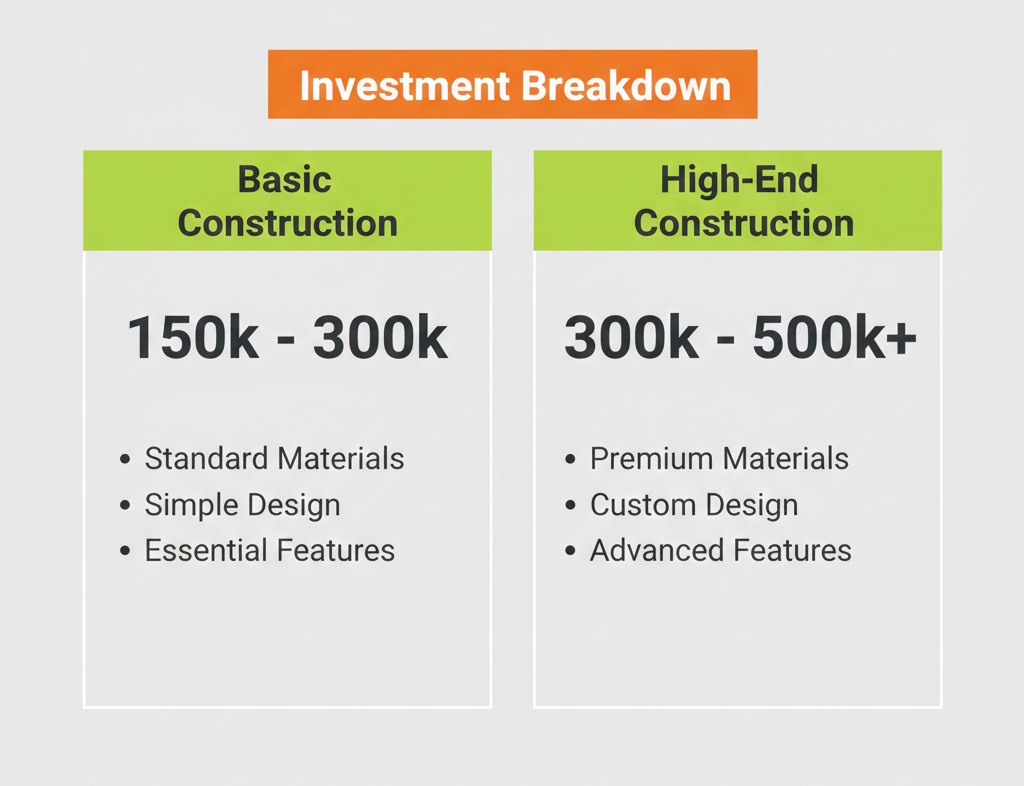
Budgeting for your ADU depends on materials, design complexity, and site prep.
The cost of building a two-story ADU varies widely depending on location, design, and materials.
Cost Breakdown:
- Basic Construction: Between $150,000 to $300,000 for a standard two-story ADU.
- High-End Construction: From $300,000 to $500,000 for custom designs and premium materials.
Cost Factors:
- Foundation Reinforcement: Additional structural support for the second story.
- Staircase: Adds material and labor costs.
- Parking: Extra parking spaces may be required in some areas.
For more on Cost to Build an ADU in Los Angeles, click here.
Two-Story ADU Floor Plans: Design Ideas and Layout Options
A two-story ADU provides flexibility in its layout, offering various options depending on the intended use.
Typical Floor Plans:
- First Floor: Living areas, kitchen, and a small bathroom.
- Second Floor: Bedrooms, bathrooms, and possibly office space or a balcony.
Design Tips:
- Open Concept: Maximize space with open floor plans.
- Separate Entrances: Ensure privacy with distinct access points for each floor.
Check out more Smart Features for ADU to optimize your space.
Key Considerations for Building a Two-Story ADU Over a Garage
Building a two-story ADU over an existing garage is a cost-effective way to maximize space, but it comes with specific challenges.
Considerations:
- Reinforcement: Ensure the garage is structurally sound enough to support a second story.
- Access: Separate entrances are typically required for each unit.
- Parking: Verify whether additional parking is needed for the ADU.
Learn more about Garage Conversion to ADU Requirements here.
How Long Does it Take to Build a Two-Story ADU in California?
The timeline for constructing a two-story ADU depends on various factors such as design complexity, permitting, and contractor availability.
Typical Timeline:
- Planning and Permitting: 1 to 3 months.
- Construction: 6 to 12 months, depending on complexity.
Factors:
- Permit Delays: Some areas have long waiting times for permit approval.
- Construction Complexity: Custom designs or building over a garage may increase construction time.
Explore more on the ADU Construction Timeline.
Financing Options for Building a Two-Story ADU in California
There are several financing options available to help fund the construction of your two-story ADU.
Financing Methods:
- Home Equity Loan: Leverage your home’s equity for financing.
- Construction Loan: For new builds or major renovations.
- FHA 203(k) Loan: A government-backed loan for home improvements.
- Personal Loan: An option for smaller projects with higher interest rates.
For more information on the potential value added by an ADU, read about the value an ADU can add.
Conclusion: Building a Two-Story ADU in California
Building a two-story ADU in California offers numerous benefits, from providing additional space to generating rental income. While the process involves navigating legal, financial, and design considerations, understanding the regulations, costs, and timeline ensures a smoother experience.
- Key Takeaways:
- Regulatory Compliance: Ensure your ADU meets local and state requirements.
- Cost and Timeline: Budget accordingly and plan for potential delays.
- Design Flexibility: Choose a layout that maximizes space and meets your needs.
Ready to start your two-story ADU project? Contact LUX Construction Group for expert guidance and assistance.
Build a Two-Story ADU FAQs
Can I Build a Two-Story ADU on a Small Lot in California?
Yes, you can build a two-story ADU on a small lot, but it depends on local zoning codes, setback requirements, and lot size. Many cities offer flexibility for smaller lots, but ensure compliance with height and space regulations.
Are There Any Financial Incentives for Building a Two-Story ADU in California?
Yes, some cities in California offer financial incentives, including grants or fee waivers for ADU construction, especially for affordable housing projects. Check with local municipalities for available programs that could reduce construction costs.
What Are the Environmental Impact Requirements for Two-Story ADUs in California?
Building a two-story ADU may require an environmental review depending on the location and scope. Local agencies may assess environmental impacts such as water use, energy efficiency, and site disturbance. Ensure compliance with local environmental codes.
Can I Rent Out Both Floors of a Two-Story ADU in California?
Yes, you can rent out both floors of a two-story ADU in California, provided the unit meets local zoning regulations, has separate entrances, and complies with safety codes. Local ordinances may regulate rental units, especially in high-density areas.
What Are the Common Challenges When Building a Two-Story ADU Over a Garage?
Building over a garage can present structural challenges, such as reinforcing the existing garage to bear the added weight. Additionally, zoning codes and local building regulations may impose limitations on height, parking, and access that should be considered before starting.