As a Northridge Perio Dentist, I Understand the Power of a Solid Foundation
Every single day, I welcome patients into my clinic here in the beautiful San Fernando Valley. As a dedicated perio dentist serving Northridge and the surrounding areas—like Chatsworth, Granada Hills, and Reseda—my primary focus is on saving smiles. My job is to ensure that the underlying bone and gum tissues are strong, healthy, and capable of supporting your teeth for a lifetime. But when I look out the window of my dental practice, I see a community that relies on another type of foundation entirely: the structural integrity of our local healthcare facilities.
Living and working in Southern California is an absolute privilege. We enjoy gorgeous weather, vibrant communities, and incredible opportunities. However, we also share a well-known reality: we live in earthquake country. Anyone who was here in the San Fernando Valley back in 1994 remembers the profound impact of the Northridge earthquake. It taught us a vital lesson about preparation, resilience, and the sheer importance of protecting our most essential infrastructure.
That brings me to a topic that goes far beyond my dental chair, yet remains incredibly close to my heart as a healthcare provider. Whether you manage a local clinic or oversee a massive medical center, you must keep your building safe. Learn about the importance of a seismic retrofit for hospitals and medical offices in earthquake zones. By strengthening these critical buildings, we ensure that when our community needs care the most, our doors remain open, our equipment remains functional, and our patients remain entirely safe.
What Exactly Is a Seismic Retrofit?
To understand how we protect our healthcare facilities, it helps to know what a seismic retrofit actually means. In simple terms, retrofitting is the process of upgrading an older building to make it more resistant to the violent shaking of an earthquake. Think of it like a deep cleaning and structural graft for a building’s skeleton. Just as I use advanced periodontal techniques to rebuild lost jawbone and stabilize loose teeth, structural engineers use steel, concrete, and advanced technology to stabilize vulnerable buildings.
Medical offices and hospitals built decades ago followed the safety codes of their time. But as science and engineering have advanced, we now know so much more about how the earth moves and how structures react. Older buildings often have rigid frames that can crack and fail when the ground rolls. Modern retrofitting introduces flexibility and reinforced strength, allowing a building to sway safely with the seismic waves rather than snapping under the immense pressure.
For hospitals in the Northridge area and across Los Angeles, this process involves several fascinating techniques:
- Base Isolation: This is like putting a building on massive shock absorbers. Engineers separate the building from its foundation using flexible bearings. When the ground shakes, the bearings absorb the movement, keeping the building above remarkably still.
- Dampers: Similar to the suspension system in your car, dampers are installed in the framework of a hospital to absorb the energy of an earthquake. They slow down the swaying motion of the building.
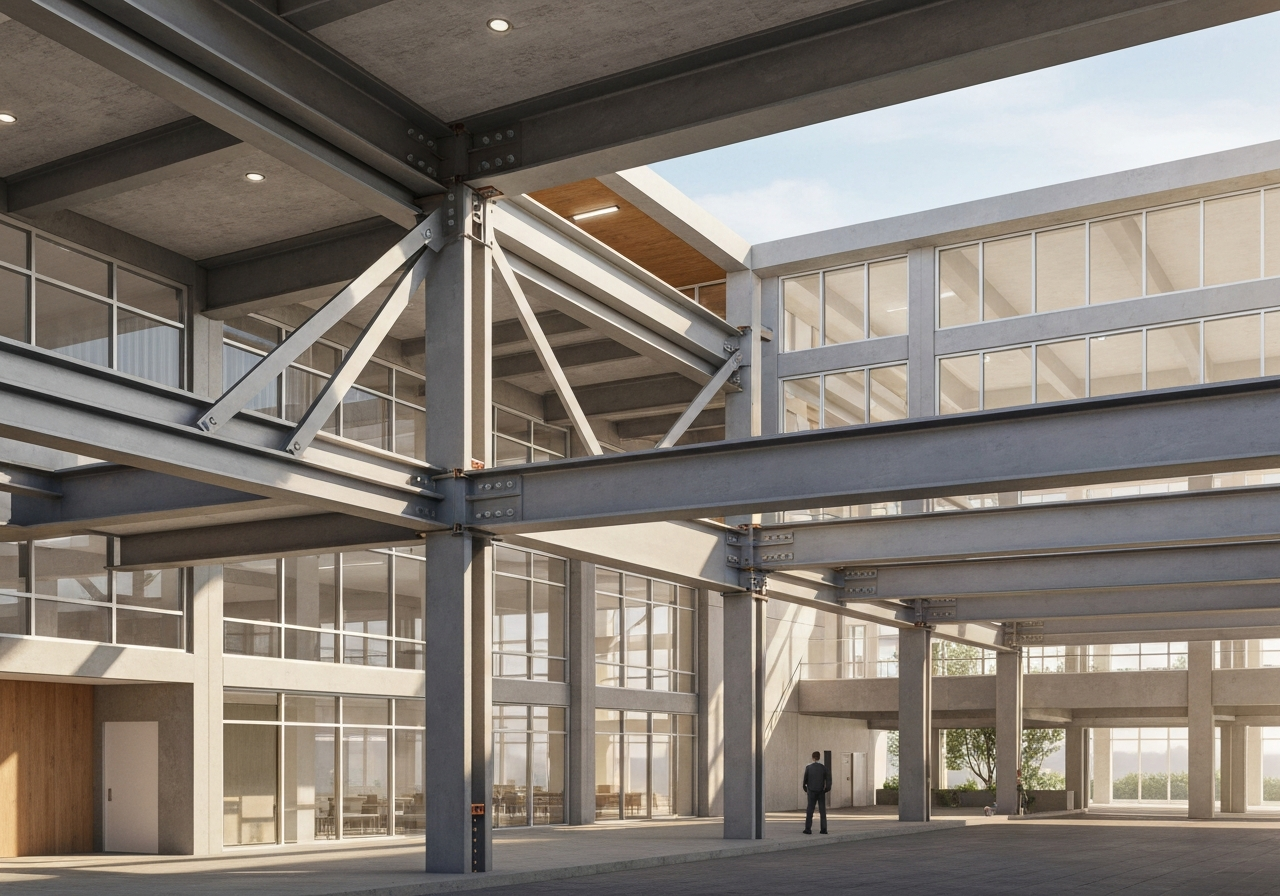
- Structural Reinforcement: This involves adding thick steel braces, reinforcing concrete walls, and wrapping support columns in carbon fiber to ensure the building’s skeleton can handle extreme stress.
The Critical Data Behind Earthquake Preparedness
As a medical professional, I rely on facts, studies, and hard data to treat my periodontal patients. The same data-driven approach applies to building safety. The numbers surrounding earthquake preparedness in the healthcare sector tell a compelling and highly positive story about why these upgrades are worth every penny.
First, let us look at the legal landscape designed to keep us safe. Following the devastating earthquakes of the past few decades, the State of California stepped up to protect its citizens. Data Point 1: According to California’s strict seismic safety mandates (specifically SB 1953), 100% of acute care hospitals in the state must be structurally capable of surviving a major earthquake and remaining fully operational by the year 2030. This means that within a few short years, every major hospital in our area will be a safe haven capable of providing uninterrupted emergency care immediately after a natural disaster.
Second, we have to look at the effectiveness of these upgrades. Data Point 2: Engineering studies have shown that buildings equipped with modern seismic retrofits experience a massive 65% to 70% reduction in structural damage costs compared to unreinforced structures during a severe seismic event. More importantly, this massive reduction in damage directly translates to saved lives and protected medical equipment.
To give you a clear visual of just how much of a difference a retrofit makes, I have put together a simple chart showing the risk of severe structural downtime for medical facilities facing a 7.0 magnitude earthquake.
Probability of Hospital Downtime in a 7.0+ Magnitude Earthquake
Chart visualizing the dramatic risk reduction provided by structural engineering upgrades.
Why Medical Offices Face Unique Challenges
You might wonder why we place such a special emphasis on hospitals and medical offices compared to standard office buildings. As a perio dentist operating a clinic filled with specialized equipment, I can tell you firsthand that medical spaces are incredibly complex environments. We aren’t just dealing with desks and computers.
Inside a modern hospital or a specialized dental surgery center in Northridge, you will find highly sensitive, life-saving machinery. Think about MRI machines, CT scanners, sterile operating theaters, advanced periodontal lasers, and complex ventilation systems. If a building’s foundation shifts aggressively during an earthquake, a standard building might stay standing, but the violent shaking could easily destroy millions of dollars worth of fragile medical technology.
Furthermore, medical facilities house vulnerable individuals. Patients who are undergoing surgery, recovering in intensive care units, or sitting in my dental chair during a complex gum grafting procedure cannot quickly evacuate. The building itself must act as a protective shield. Upgrading the structural integrity of these buildings ensures that the ceilings, light fixtures, plumbing, and backup power generators remain intact, allowing medical professionals to continue their vital work safely.
Connecting Periodontics to Structural Engineering
I absolutely love what I do. As a perio dentist, I spend my days educating the wonderful residents of the San Fernando Valley about the importance of deep, structural health. When a patient comes to my Northridge clinic with periodontal disease, their gums and the bone supporting their teeth are breaking down. On the surface, their teeth might look perfectly fine. But underneath, the foundation is crumbling. If we do not intervene with the proper treatments—like scaling, root planing, or bone grafting—the teeth will eventually be lost.
The parallels between my daily dental practice and seismic engineering are truly striking. A hospital might look beautiful from the outside. It might have a freshly painted exterior, gorgeous landscaping, and a welcoming lobby. But if the structural foundation hidden behind the drywall is weak or outdated, the entire building is at risk when external stress is applied.
Just as I proactively treat my patients’ gums to prevent future tooth loss, building owners must proactively treat their structures to prevent catastrophic failure. It is all about preventative care. Taking action now, while the skies are clear and the ground is still, is the absolute best way to guarantee a healthy, secure future. We strengthen the base so that the whole system thrives.
A Community United by Resilience and Preparation
The San Fernando Valley is more than just a place where I run my periodontal practice; it is my home. We are a community that has faced natural challenges before, and we have always bounced back stronger. Today, we are not just waiting for the next big event; we are actively preparing for it.
Every time a local clinic, dental office, or massive medical center undergoes an earthquake readiness upgrade, they are making a profound investment in our community’s future. They are declaring that the health, safety, and well-being of our residents are their highest priorities. This positive momentum is something we can all celebrate.
If you are a building manager, a healthcare provider, or even a curious patient wanting to know more about how structural safety works on a national level, I highly encourage you to explore the incredible resources provided by the Federal Emergency Management Agency. You can read extensively about their guidelines and recommendations by visiting the FEMA Earthquake Building Codes and Seismic Retrofit page. High DA organizations like FEMA provide the gold standard of information on how we can continue to innovate and protect our infrastructure.
Looking Forward to a Safe, Healthy Tomorrow
I believe that true health goes hand in hand with safety. When you visit my Northridge periodontal office, I want you to feel completely relaxed, knowing you are in capable hands within a safe environment. I want the same peace of mind for every single person who steps foot into a hospital, an emergency room, or an outpatient medical clinic anywhere in Southern California.
We have the technology, the knowledge, and the brilliant engineering minds required to conquer the threat of earthquakes. By embracing base isolators, specialized dampers, and reinforced steel columns, we are essentially giving our healthcare buildings an unbreakable skeleton.
As we continue to grow and modernize here in the Valley, let us applaud the incredible efforts of the structural engineers, city planners, and medical facility managers who are working tirelessly behind the scenes. They are the unsung heroes making sure our medical infrastructure stands tall, no matter what nature throws our way. Keep your building safe. Learn about the importance of a seismic retrofit for hospitals and medical offices in earthquake zones. Together, through preventative dental care and preventative structural engineering, we are building a vibrant, healthy, and incredibly resilient community that will thrive for generations to come.