Last Updated on April 13, 2026
Contents
- Breathing Easy: The Unseen Shield in Advanced Dental Care
- Why a Periodontist Cares About Air Conditioning
- The Critical Differences Between Standard and Medical HVAC
- Visualizing the Difference
- Battling the San Fernando Valley Climate
- Taking the Leap: Upgrading Your Commercial System
- Building Trust Through Transparency
- A Breath of Fresh Air in Periodontal Care
Breathing Easy: The Unseen Shield in Advanced Dental Care
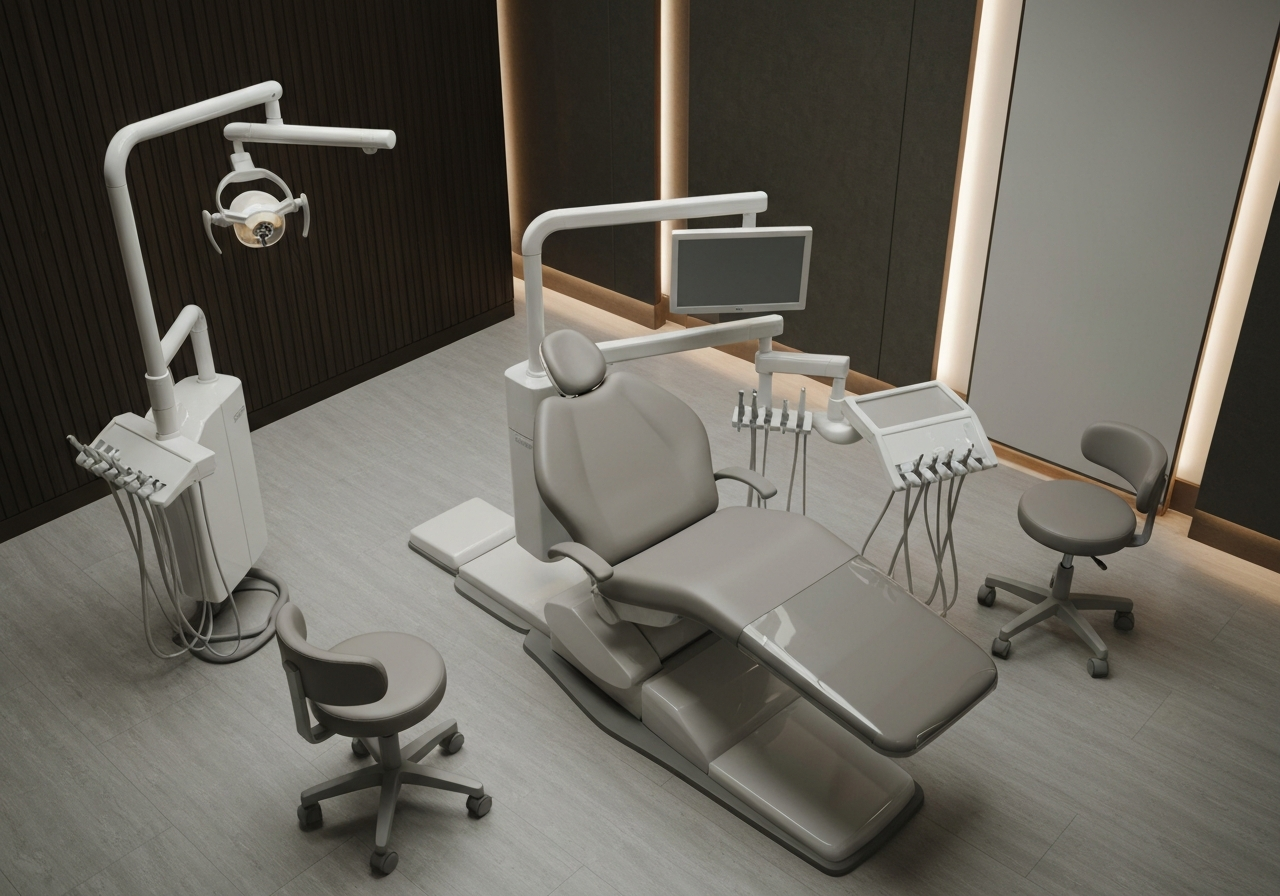
As a dedicated periodontist serving Northridge and the surrounding San Fernando Valley communities, my primary focus is always your health, safety, and comfort. When you visit my practice at Luxdevla.com, you likely notice the modern decor, the friendly staff, and the state-of-the-art dental technology we use for placing dental implants and treating gum disease. However, there is a completely invisible layer of protection working relentlessly in the background the moment you step through our doors: our indoor air system.
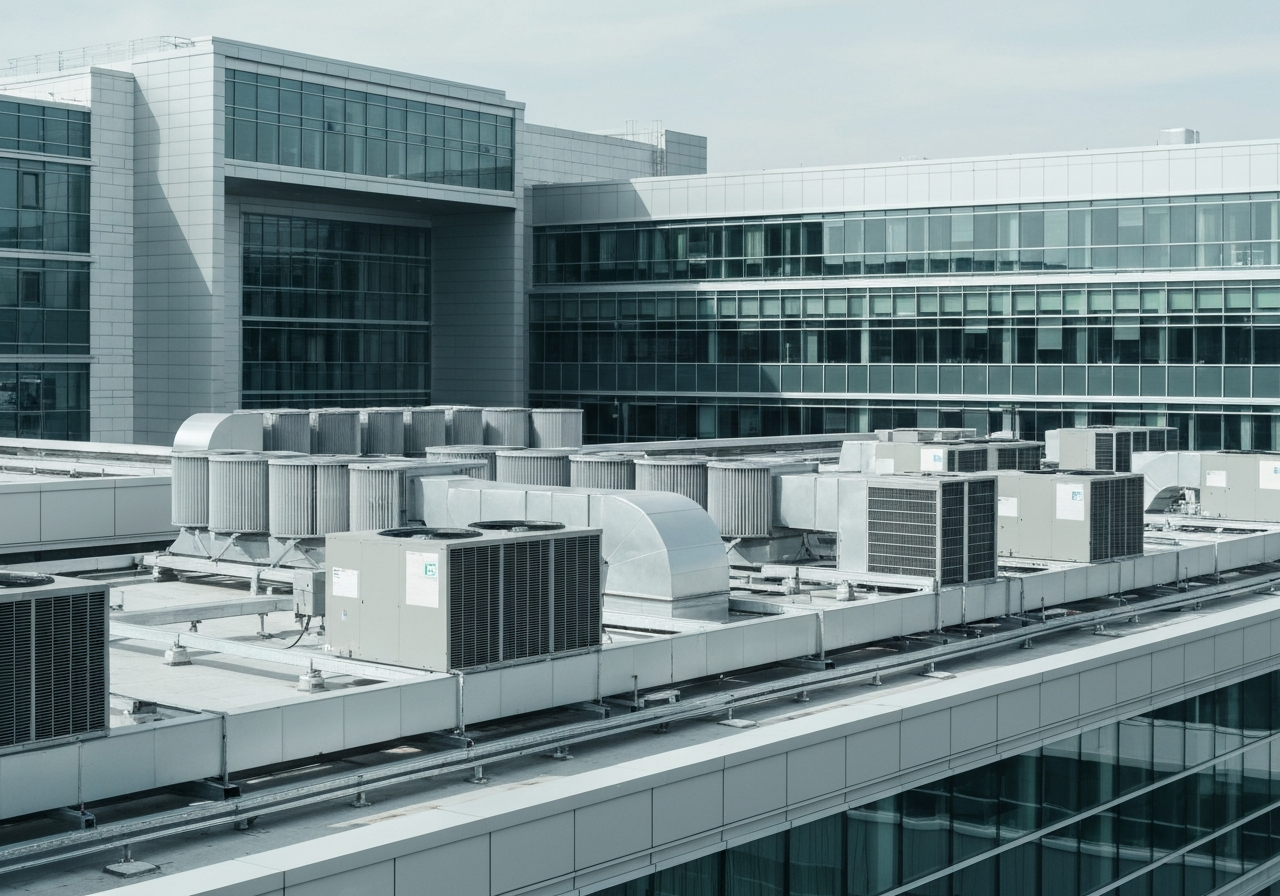
When it comes to performing delicate oral surgeries, creating a beautiful smile is only half the job. The other half is ensuring a perfectly sterile, safe environment for optimal healing. That is why I am so passionate about the systems that pump air into our clinical spaces. Air quality matters. Discover the requirements for HVAC for medical buildings and how to upgrade your current commercial system, because whether you are a patient seeking top-tier periodontal care or a fellow medical professional running a clinic, clean air is the foundation of a healthy environment.
Why a Periodontist Cares About Air Conditioning
You might wonder why a gum specialist is talking about heating, ventilation, and air conditioning (HVAC). In the world of modern dentistry and periodontics, we use advanced tools like ultrasonic scalers and high-speed handpieces. These incredible instruments allow me to clean deep beneath the gumline and prepare sites for dental implants with pinpoint accuracy. However, they also create aerosols—tiny, invisible droplets that float in the air.
If a dental office relies on a standard commercial air conditioning unit, those aerosols simply get pushed from one room to another. A standard unit is designed merely to cool the air, not to clean it. In a specialized medical or dental setting, that is simply not good enough. As a healthcare provider, I need an environment where airborne particles are actively captured, filtered, and neutralized. This protects my surgical sites from contamination, protects my hard-working staff, and most importantly, protects you, the patient.
To truly understand the standard we strive for, it helps to look at the guidelines set by national health authorities. The CDC’s guidelines on environmental infection control outline exactly how crucial specialized ventilation is in preventing the spread of airborne pathogens in healthcare settings. Reading through these guidelines reinforces my commitment to keeping our Northridge clinic at the absolute forefront of environmental safety.
The Critical Differences Between Standard and Medical HVAC
When we look at the requirements for healthcare facilities, the engineering leaps far beyond what you find in a typical retail store or office building. A medical-grade HVAC system acts as the respiratory system of the clinic. Here are the core elements that set it apart:
- Air Changes Per Hour (ACH): This refers to how many times the total volume of air in a room is completely replaced with fresh, filtered air in one hour. A standard office might have 2 to 4 ACH. In my periodontal surgical suites, we aim for significantly higher rates to ensure any airborne particles are rapidly removed.
- High-Efficiency Particulate Air (HEPA) Filtration: Medical HVAC systems use massive, highly restrictive filters. HEPA filters catch 99.97% of particles that are 0.3 microns in size. This includes dust, pollen, mold, bacteria, and many viruses.
- Directional Airflow and Pressure: In a medical building, we control the pressure of the rooms. For example, a sterilization room might be kept at “negative pressure,” meaning air flows into the room but cannot escape back into the hallways, keeping any contaminants isolated.
- Humidity Control: Bacteria and viruses thrive in specific humidity ranges. By keeping our clinic’s humidity strictly controlled between 40% and 60%, we create an environment that is deeply inhospitable to pathogens while remaining highly comfortable for you during your visit.
The Data Speaks for Itself
The transition to specialized air systems is backed by hard science. According to the American Society of Heating, Refrigerating and Air-Conditioning Engineers (ASHRAE), proper medical HVAC systems can reduce airborne infection risks by up to 80% when combining HEPA filtration with appropriate air change rates. This data point is a driving force behind why I invest so heavily in the infrastructure of Luxdevla.com.
Visualizing the Difference
To make this easier to understand, I have put together a simple chart comparing a standard commercial AC unit to the advanced medical-grade systems we require in specialized healthcare settings.
Battling the San Fernando Valley Climate
Operating a specialized dental practice in Northridge means I am very familiar with the local climate. We proudly serve patients not just from Northridge, but from neighboring areas like Porter Ranch, Reseda, Chatsworth, and Granada Hills. If you live in the San Fernando Valley, you know exactly how intense our summer heat waves can get. The mercury frequently climbs past 100 degrees, putting an immense strain on commercial air systems.
When a patient comes in for a procedure like a gum graft or a full-arch dental implant placement, they might be feeling a bit of natural anxiety. The last thing they need is to be sitting in a warm, stuffy room. A robust medical HVAC system works twice as hard during our Southern California summers. It has to pull in that scorching outside air, rapidly cool it down, strip away the smog and allergens common to Los Angeles, and deliver crisp, pure, perfectly chilled air into the surgical suite.
I constantly monitor our indoor climate because I want my patients to feel relaxed. Wrapping up in a cozy blanket in a cool, fresh room can make a world of difference in helping you feel calm and cared for before we begin your periodontal treatment.
Taking the Leap: Upgrading Your Commercial System
If you are a fellow business owner or a medical professional in the valley, you might be looking at your current setup and wondering how to elevate it. Upgrading a commercial HVAC system for clinical use is an investment, but it is one that pays massive dividends in patient trust and staff health. Here are the actionable steps I recommend when it is time to upgrade.
1. Conduct a Professional Airflow Audit
Before buying new equipment, you need to know what you are working with. Have a certified commercial HVAC technician who specializes in healthcare facilities map out your current ductwork. They can measure your current Air Changes Per Hour (ACH) and find dead zones where stale air lingers.
2. Integrate Advanced Filtration
Standard ducts often cannot handle the air resistance created by thick HEPA filters. Upgrading your system means ensuring the blower motors are powerful enough to push air through high-density filters without burning out. Look into upgrading to MERV 13 or higher if true HEPA is not feasible for your existing ductwork architecture.
3. Harness the Power of Light
One of the most exciting upgrades I love seeing in medical buildings is the installation of UV-C germicidal irradiation lights inside the ductwork. As air flows past these powerful ultraviolet lamps, the DNA of bacteria, viruses, and mold spores is destroyed. It is a brilliant, chemical-free way to purify the air before it ever reaches the patient.
4. Install Smart Environmental Sensors
Modern medical HVAC systems should not just turn on and off based on a single wall thermostat. Upgrading means installing smart sensors throughout the clinic that constantly measure carbon dioxide levels, humidity, and airborne particulate matter. If the system detects a drop in air quality, it can automatically ramp up the ventilation to clear the room.
The Financial Upside of Upgrading
While the initial cost to retrofit a commercial building might seem daunting, the long-term benefits are remarkable. A recent study highlighted by the Environmental Protection Agency (EPA) shows that upgrading to a high-performance HVAC system in a commercial medical setting can yield up to 30% in energy savings, all while dramatically improving indoor air quality. The newer, variable-speed motors run much more efficiently than older models, lowering those hefty Los Angeles utility bills while providing superior clinical safety.
Building Trust Through Transparency
As a periodontist, I spend my days focused on the microscopic details of bone structures and gum tissues. I know that true health starts at a cellular level, and that philosophy extends to the very environment of my practice. I want my patients from Northridge and the surrounding neighborhoods to know that when they choose Luxdevla.com for their periodontal needs, they are stepping into a sanctuary designed for their well-being.
We openly talk about our air quality standards because we believe in transparency. When you are sitting in the dental chair, you should only have to focus on your journey to a healthier, brighter smile. You should never have to worry about the unseen elements in the room. Our commitment to maintaining a superior medical-grade HVAC system is a direct reflection of our commitment to you.
A Breath of Fresh Air in Periodontal Care
Elevating the standard of care is a continuous journey. From investing in the latest 3D imaging technology for precise implant placement to ensuring our air purification systems are running at peak performance, every decision is made with your health in mind. Clean air reduces recovery times, prevents complications, and provides a deeply comfortable environment.
If you are dealing with bleeding gums, require specialized periodontal surgery, or are exploring the life-changing benefits of dental implants, I invite you to visit our Northridge clinic. Come experience what a truly modern, safe, and welcoming dental environment feels—and breathes—like. Your health, from your smile to the air in your lungs, will always be my highest priority.